

Back to Page
Web Development
SEO-Friendly Web Development: How to Build Websites that Rank
SEO-Friendly Web Development: How to Build Websites that Rank
SEO-Friendly Web Development: How to Build Websites that Rank
TL;DR
75% of users never scroll past the first page of Google, so SEO-friendly websites are essential.
An SEO-friendly website loads fast, works well on mobile, and is easy for search engines to understand.
Key elements include clean URLs, readable content, optimized images, and proper use of headings.
Updating your content regularly helps keep your site relevant and ranked.
Good navigation and internal linking improve user experience and search engine crawling.
Avoid common mistakes like broken links, poor mobile design, and missing metadata.
Did you know that 75% of people never go past the first page of Google search results?
And if your website takes more than 3 seconds to load, over half of mobile users may leave. These numbers show why it’s so important to build a website that’s not just good-looking but also SEO-friendly.
An SEO-friendly website helps your business get found on search engines like Google. It’s not just about using the right keywords. It’s about how your site is built—how fast it loads, how easy it is to use on a phone, and how simple it is for search engines to understand your content.
In this blog, we’ll explain what an SEO-friendly website is, why it matters, and how to build one that ranks well. From mobile-friendliness to clean URLs and updated content, you’ll learn how to create a site that works better for both users and search engines.
What is an SEO-friendly website?
Search engine optimization (SEO) is all about helping your website show up higher in search results on platforms like Google. It involves using smart strategies like choosing the right keywords, organizing your content clearly, and making sure your site loads fast and works well on all devices.
The main goal of SEO is to help people find your website when they’re searching for something related to your products or services. Website design, on the other hand, focuses on how your website looks and functions. It includes things like layout, colors, images, menus, and how easy it is for someone to move around your site.
A well-designed website doesn’t just look nice, it gives users a smooth, enjoyable experience so they stay longer and engage more. When you combine the two, you get SEO web design for a website that’s built to impress both search engines and real people.
This means designing your site in a way that looks clean and professional, loads quickly, works great on mobile, and uses content that’s optimized for search. The result? A website that not only ranks well in search results but also keeps visitors interested and encourages them to take action.
Why is SEO-friendly web design important?
SEO-friendly web design is important because it helps your website rank higher on search engines, making it easier for potential customers to find you online. A well-designed site that follows SEO best practices ensures that search engines can crawl, understand, and index your content effectively.
This means your pages have a better chance of appearing in search results when people look for products or services you offer. It also improves user experience. A clean layout, fast loading speed, mobile responsiveness, and easy navigation make visitors stay longer and interact more with your site, signaling to search engines to reward with better rankings. SEO-friendly design also supports accessibility and usability, which benefits all users.
In a competitive digital space, having a visually appealing website isn’t enough. If search engines can’t understand or access it, your reach is limited. SEO-friendly web design bridges that gap, turning your website into a powerful tool for growth. With the right Shopify website development services, you can create a website that ranks well and drives more sales.
How to build an SEO-friendly website that ranks
If you want your website to show up on Google and attract more visitors, it needs to be SEO-friendly. This means the site should be easy for both search engines and people to understand and use.
Here are some simple but important steps to help your website rank better:
#1 Mobile-friendliness
Today, most people use smartphones or tablets to browse the internet. If your website doesn’t work well on smaller screens, visitors may leave quickly, and Google notices that. A mobile-friendly site adjusts to fit all screen sizes and provides a smooth experience no matter what device someone is using. This is known as a responsive design, and it’s essential for SEO and user satisfaction.
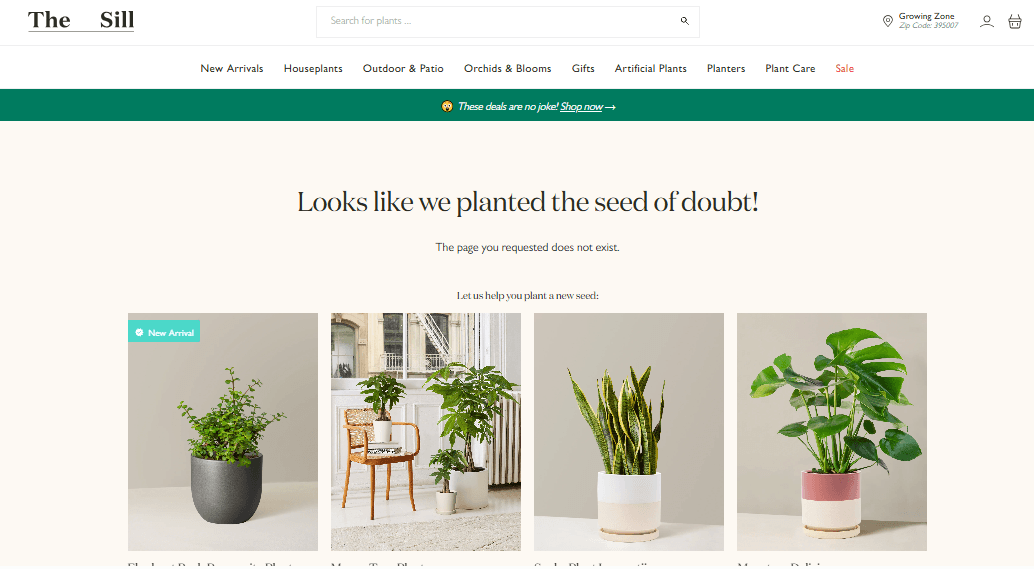
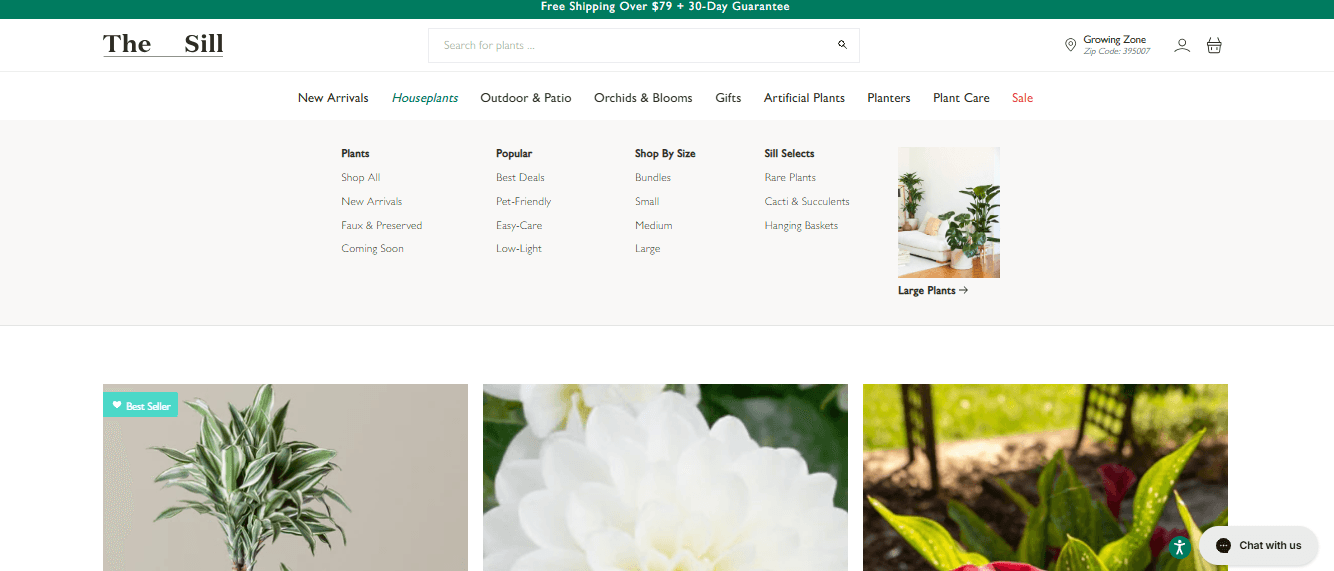
This is the desktop view. The mobile view is shown in the image below.

The mobile version uses the same text and images as the desktop site, but they’re arranged to fit smaller screens. It’s easy to use and follows the same step-by-step flow—from browsing products to checkout. This makes shopping smooth and simple on mobile.
#2 Website speed
Page speed is one of the most important factors for both SEO and user experience. If your site takes more than a few seconds to load, people may leave before even seeing your content. Search engines also lower rankings for slow-loading websites. To make your site faster, compress large images, use clean and efficient code, reduce unnecessary plugins, and choose a good hosting provider.
Things can make your website slow, like:
A slow web hosting provider
Large images or videos
Too many plug-ins or apps
Complicated or messy code
Lots of people visiting at the same time
#3 Readability
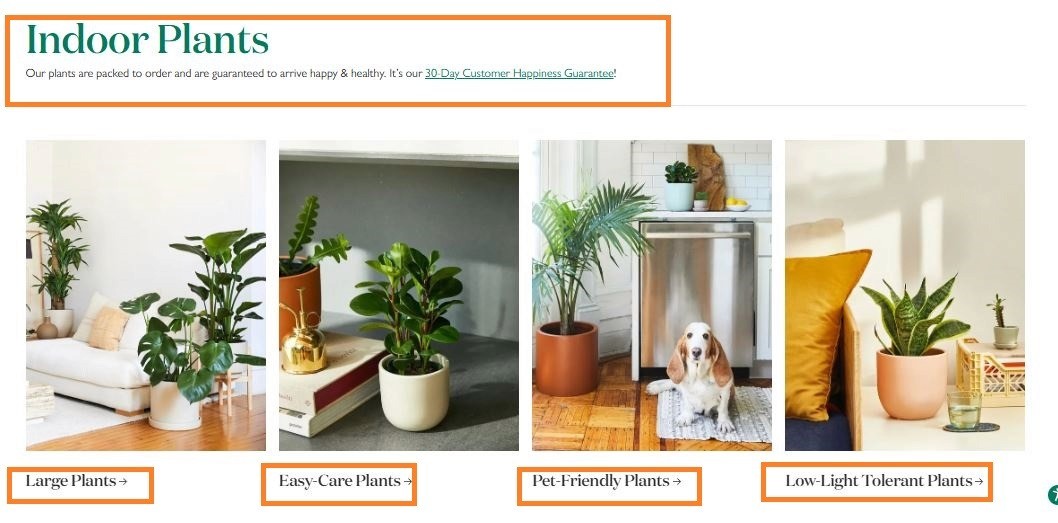
Even if your content is helpful, people won’t stay if it’s hard to read. Make your content easy to scan by using short paragraphs, simple language, clear headings, bullet points, and enough white space. A good rule is to write like you’re speaking to someone, not writing a textbook. You can select the perfect Shopify store design that is well-organized and easy to navigate.
#4 URL structure
A clean and simple URL makes it easier for search engines to understand the topic of a page, and it looks better to users too. Include keywords that relate to the page content, and avoid using special characters or unnecessary words. Instead of a confusing link like www.yoursite.com/page?id=123, use something like www.yoursite.com/seo-basics.
#5 Images and videos
Adding images and videos makes your website more engaging, but you need to use them wisely. Large images can slow down your site, so always compress them before uploading. Use descriptive file names and alt tags (more on that below). For videos, it’s better to embed them from platforms like YouTube or Vimeo instead of hosting them directly on your website.
#6 Website navigation
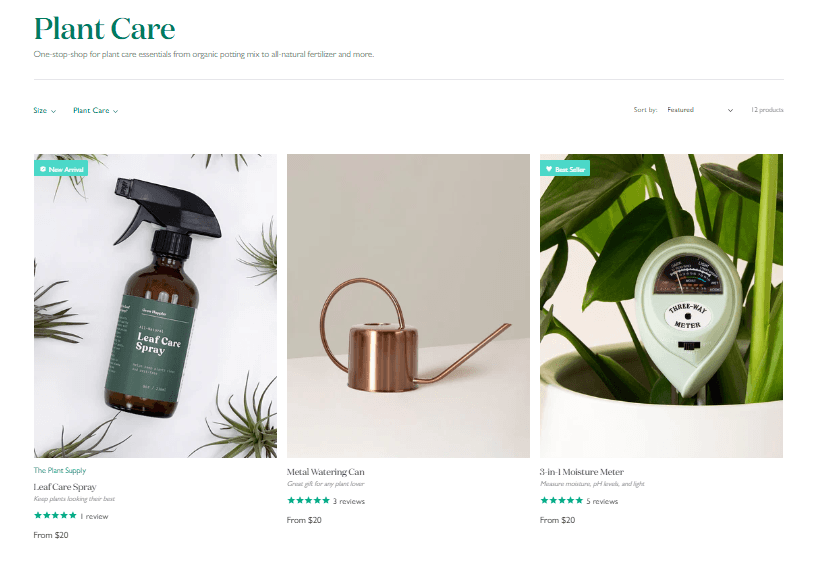
A good website should be easy to navigate. Use a simple menu structure so visitors can find what they need without getting lost. Organize pages into logical categories and include internal links to related pages. Clear navigation also helps search engines crawl your site and understand its structure, which improves your chances of ranking higher.
#7 Alt tags
Alt tags are short descriptions added to images. They help search engines know what the image is about and make your site more accessible for people using screen readers. Always add alt tags that describe the image clearly.
#8 Update content regularly
Search engines prefer websites that are active and up to date. That’s why regularly adding new content or refreshing old pages is so important. You can do this by posting new blog articles, updating product descriptions, or adding fresh testimonials. Keeping your content relevant shows that your site is trustworthy and gives people a reason to return.
Common mistakes to avoid
Ignoring mobile optimization
Slow website speed
Poor-quality content
Not using proper headings (H1, H2, H3)
Missing or weak meta titles and descriptions
Unoptimized images
Broken links and 404 errors
No internal linking
Using long or messy URLs
Not updating old content
Get started with SEO-focused web development today!
Having an SEO-friendly website is very important if you want to grow online. It helps your site show up on Google, brings in more visitors, and makes it easier for people to use. Key things like mobile-friendliness, fast loading speed, clear URLs, easy navigation, and updated content all play a big role in ranking better.
Avoiding common mistakes like slow speed or missing alt tags can also make a big difference. If you’re selling on Amazon, a strong website can help your brand look more professional and drive more traffic to your Amazon listings. Good SEO works both on and off Amazon.
Our Amazon experts can help you improve your brand’s presence by connecting your website and Amazon store with the right strategies. Whether you’re starting fresh or improving an existing site, focusing on SEO is a smart and long-term move for success.
TL;DR
75% of users never scroll past the first page of Google, so SEO-friendly websites are essential.
An SEO-friendly website loads fast, works well on mobile, and is easy for search engines to understand.
Key elements include clean URLs, readable content, optimized images, and proper use of headings.
Updating your content regularly helps keep your site relevant and ranked.
Good navigation and internal linking improve user experience and search engine crawling.
Avoid common mistakes like broken links, poor mobile design, and missing metadata.
Did you know that 75% of people never go past the first page of Google search results?
And if your website takes more than 3 seconds to load, over half of mobile users may leave. These numbers show why it’s so important to build a website that’s not just good-looking but also SEO-friendly.
An SEO-friendly website helps your business get found on search engines like Google. It’s not just about using the right keywords. It’s about how your site is built—how fast it loads, how easy it is to use on a phone, and how simple it is for search engines to understand your content.
In this blog, we’ll explain what an SEO-friendly website is, why it matters, and how to build one that ranks well. From mobile-friendliness to clean URLs and updated content, you’ll learn how to create a site that works better for both users and search engines.
What is an SEO-friendly website?
Search engine optimization (SEO) is all about helping your website show up higher in search results on platforms like Google. It involves using smart strategies like choosing the right keywords, organizing your content clearly, and making sure your site loads fast and works well on all devices.
The main goal of SEO is to help people find your website when they’re searching for something related to your products or services. Website design, on the other hand, focuses on how your website looks and functions. It includes things like layout, colors, images, menus, and how easy it is for someone to move around your site.
A well-designed website doesn’t just look nice, it gives users a smooth, enjoyable experience so they stay longer and engage more. When you combine the two, you get SEO web design for a website that’s built to impress both search engines and real people.
This means designing your site in a way that looks clean and professional, loads quickly, works great on mobile, and uses content that’s optimized for search. The result? A website that not only ranks well in search results but also keeps visitors interested and encourages them to take action.
Why is SEO-friendly web design important?
SEO-friendly web design is important because it helps your website rank higher on search engines, making it easier for potential customers to find you online. A well-designed site that follows SEO best practices ensures that search engines can crawl, understand, and index your content effectively.
This means your pages have a better chance of appearing in search results when people look for products or services you offer. It also improves user experience. A clean layout, fast loading speed, mobile responsiveness, and easy navigation make visitors stay longer and interact more with your site, signaling to search engines to reward with better rankings. SEO-friendly design also supports accessibility and usability, which benefits all users.
In a competitive digital space, having a visually appealing website isn’t enough. If search engines can’t understand or access it, your reach is limited. SEO-friendly web design bridges that gap, turning your website into a powerful tool for growth. With the right Shopify website development services, you can create a website that ranks well and drives more sales.
How to build an SEO-friendly website that ranks
If you want your website to show up on Google and attract more visitors, it needs to be SEO-friendly. This means the site should be easy for both search engines and people to understand and use.
Here are some simple but important steps to help your website rank better:
#1 Mobile-friendliness
Today, most people use smartphones or tablets to browse the internet. If your website doesn’t work well on smaller screens, visitors may leave quickly, and Google notices that. A mobile-friendly site adjusts to fit all screen sizes and provides a smooth experience no matter what device someone is using. This is known as a responsive design, and it’s essential for SEO and user satisfaction.
This is the desktop view. The mobile view is shown in the image below.
The mobile version uses the same text and images as the desktop site, but they’re arranged to fit smaller screens. It’s easy to use and follows the same step-by-step flow—from browsing products to checkout. This makes shopping smooth and simple on mobile.
#2 Website speed
Page speed is one of the most important factors for both SEO and user experience. If your site takes more than a few seconds to load, people may leave before even seeing your content. Search engines also lower rankings for slow-loading websites. To make your site faster, compress large images, use clean and efficient code, reduce unnecessary plugins, and choose a good hosting provider.
Things can make your website slow, like:
A slow web hosting provider
Large images or videos
Too many plug-ins or apps
Complicated or messy code
Lots of people visiting at the same time
#3 Readability
Even if your content is helpful, people won’t stay if it’s hard to read. Make your content easy to scan by using short paragraphs, simple language, clear headings, bullet points, and enough white space. A good rule is to write like you’re speaking to someone, not writing a textbook. You can select the perfect Shopify store design that is well-organized and easy to navigate.
#4 URL structure
A clean and simple URL makes it easier for search engines to understand the topic of a page, and it looks better to users too. Include keywords that relate to the page content, and avoid using special characters or unnecessary words. Instead of a confusing link like www.yoursite.com/page?id=123, use something like www.yoursite.com/seo-basics.
#5 Images and videos
Adding images and videos makes your website more engaging, but you need to use them wisely. Large images can slow down your site, so always compress them before uploading. Use descriptive file names and alt tags (more on that below). For videos, it’s better to embed them from platforms like YouTube or Vimeo instead of hosting them directly on your website.
#6 Website navigation
A good website should be easy to navigate. Use a simple menu structure so visitors can find what they need without getting lost. Organize pages into logical categories and include internal links to related pages. Clear navigation also helps search engines crawl your site and understand its structure, which improves your chances of ranking higher.
#7 Alt tags
Alt tags are short descriptions added to images. They help search engines know what the image is about and make your site more accessible for people using screen readers. Always add alt tags that describe the image clearly.
#8 Update content regularly
Search engines prefer websites that are active and up to date. That’s why regularly adding new content or refreshing old pages is so important. You can do this by posting new blog articles, updating product descriptions, or adding fresh testimonials. Keeping your content relevant shows that your site is trustworthy and gives people a reason to return.
Common mistakes to avoid
Ignoring mobile optimization
Slow website speed
Poor-quality content
Not using proper headings (H1, H2, H3)
Missing or weak meta titles and descriptions
Unoptimized images
Broken links and 404 errors
No internal linking
Using long or messy URLs
Not updating old content
Get started with SEO-focused web development today!
Having an SEO-friendly website is very important if you want to grow online. It helps your site show up on Google, brings in more visitors, and makes it easier for people to use. Key things like mobile-friendliness, fast loading speed, clear URLs, easy navigation, and updated content all play a big role in ranking better.
Avoiding common mistakes like slow speed or missing alt tags can also make a big difference. If you’re selling on Amazon, a strong website can help your brand look more professional and drive more traffic to your Amazon listings. Good SEO works both on and off Amazon.
Our Amazon experts can help you improve your brand’s presence by connecting your website and Amazon store with the right strategies. Whether you’re starting fresh or improving an existing site, focusing on SEO is a smart and long-term move for success.
TL;DR
75% of users never scroll past the first page of Google, so SEO-friendly websites are essential.
An SEO-friendly website loads fast, works well on mobile, and is easy for search engines to understand.
Key elements include clean URLs, readable content, optimized images, and proper use of headings.
Updating your content regularly helps keep your site relevant and ranked.
Good navigation and internal linking improve user experience and search engine crawling.
Avoid common mistakes like broken links, poor mobile design, and missing metadata.
Did you know that 75% of people never go past the first page of Google search results?
And if your website takes more than 3 seconds to load, over half of mobile users may leave. These numbers show why it’s so important to build a website that’s not just good-looking but also SEO-friendly.
An SEO-friendly website helps your business get found on search engines like Google. It’s not just about using the right keywords. It’s about how your site is built—how fast it loads, how easy it is to use on a phone, and how simple it is for search engines to understand your content.
In this blog, we’ll explain what an SEO-friendly website is, why it matters, and how to build one that ranks well. From mobile-friendliness to clean URLs and updated content, you’ll learn how to create a site that works better for both users and search engines.
What is an SEO-friendly website?
Search engine optimization (SEO) is all about helping your website show up higher in search results on platforms like Google. It involves using smart strategies like choosing the right keywords, organizing your content clearly, and making sure your site loads fast and works well on all devices.
The main goal of SEO is to help people find your website when they’re searching for something related to your products or services. Website design, on the other hand, focuses on how your website looks and functions. It includes things like layout, colors, images, menus, and how easy it is for someone to move around your site.
A well-designed website doesn’t just look nice, it gives users a smooth, enjoyable experience so they stay longer and engage more. When you combine the two, you get SEO web design for a website that’s built to impress both search engines and real people.
This means designing your site in a way that looks clean and professional, loads quickly, works great on mobile, and uses content that’s optimized for search. The result? A website that not only ranks well in search results but also keeps visitors interested and encourages them to take action.
Why is SEO-friendly web design important?
SEO-friendly web design is important because it helps your website rank higher on search engines, making it easier for potential customers to find you online. A well-designed site that follows SEO best practices ensures that search engines can crawl, understand, and index your content effectively.
This means your pages have a better chance of appearing in search results when people look for products or services you offer. It also improves user experience. A clean layout, fast loading speed, mobile responsiveness, and easy navigation make visitors stay longer and interact more with your site, signaling to search engines to reward with better rankings. SEO-friendly design also supports accessibility and usability, which benefits all users.
In a competitive digital space, having a visually appealing website isn’t enough. If search engines can’t understand or access it, your reach is limited. SEO-friendly web design bridges that gap, turning your website into a powerful tool for growth. With the right Shopify website development services, you can create a website that ranks well and drives more sales.
How to build an SEO-friendly website that ranks
If you want your website to show up on Google and attract more visitors, it needs to be SEO-friendly. This means the site should be easy for both search engines and people to understand and use.
Here are some simple but important steps to help your website rank better:
#1 Mobile-friendliness
Today, most people use smartphones or tablets to browse the internet. If your website doesn’t work well on smaller screens, visitors may leave quickly, and Google notices that. A mobile-friendly site adjusts to fit all screen sizes and provides a smooth experience no matter what device someone is using. This is known as a responsive design, and it’s essential for SEO and user satisfaction.
This is the desktop view. The mobile view is shown in the image below.
The mobile version uses the same text and images as the desktop site, but they’re arranged to fit smaller screens. It’s easy to use and follows the same step-by-step flow—from browsing products to checkout. This makes shopping smooth and simple on mobile.
#2 Website speed
Page speed is one of the most important factors for both SEO and user experience. If your site takes more than a few seconds to load, people may leave before even seeing your content. Search engines also lower rankings for slow-loading websites. To make your site faster, compress large images, use clean and efficient code, reduce unnecessary plugins, and choose a good hosting provider.
Things can make your website slow, like:
A slow web hosting provider
Large images or videos
Too many plug-ins or apps
Complicated or messy code
Lots of people visiting at the same time
#3 Readability
Even if your content is helpful, people won’t stay if it’s hard to read. Make your content easy to scan by using short paragraphs, simple language, clear headings, bullet points, and enough white space. A good rule is to write like you’re speaking to someone, not writing a textbook. You can select the perfect Shopify store design that is well-organized and easy to navigate.
#4 URL structure
A clean and simple URL makes it easier for search engines to understand the topic of a page, and it looks better to users too. Include keywords that relate to the page content, and avoid using special characters or unnecessary words. Instead of a confusing link like www.yoursite.com/page?id=123, use something like www.yoursite.com/seo-basics.
#5 Images and videos
Adding images and videos makes your website more engaging, but you need to use them wisely. Large images can slow down your site, so always compress them before uploading. Use descriptive file names and alt tags (more on that below). For videos, it’s better to embed them from platforms like YouTube or Vimeo instead of hosting them directly on your website.
#6 Website navigation
A good website should be easy to navigate. Use a simple menu structure so visitors can find what they need without getting lost. Organize pages into logical categories and include internal links to related pages. Clear navigation also helps search engines crawl your site and understand its structure, which improves your chances of ranking higher.
#7 Alt tags
Alt tags are short descriptions added to images. They help search engines know what the image is about and make your site more accessible for people using screen readers. Always add alt tags that describe the image clearly.
#8 Update content regularly
Search engines prefer websites that are active and up to date. That’s why regularly adding new content or refreshing old pages is so important. You can do this by posting new blog articles, updating product descriptions, or adding fresh testimonials. Keeping your content relevant shows that your site is trustworthy and gives people a reason to return.
Common mistakes to avoid
Ignoring mobile optimization
Slow website speed
Poor-quality content
Not using proper headings (H1, H2, H3)
Missing or weak meta titles and descriptions
Unoptimized images
Broken links and 404 errors
No internal linking
Using long or messy URLs
Not updating old content
Get started with SEO-focused web development today!
Having an SEO-friendly website is very important if you want to grow online. It helps your site show up on Google, brings in more visitors, and makes it easier for people to use. Key things like mobile-friendliness, fast loading speed, clear URLs, easy navigation, and updated content all play a big role in ranking better.
Avoiding common mistakes like slow speed or missing alt tags can also make a big difference. If you’re selling on Amazon, a strong website can help your brand look more professional and drive more traffic to your Amazon listings. Good SEO works both on and off Amazon.
Our Amazon experts can help you improve your brand’s presence by connecting your website and Amazon store with the right strategies. Whether you’re starting fresh or improving an existing site, focusing on SEO is a smart and long-term move for success.





eStore Factory is a full-service Amazon agency dedicated to building end-to-end strategies for brands of all sizes.


ACCOUNT LAUNCH
OTHERS
© Copyright 2014 - 2026. All Rights Reserved.
eStore Factory is a full-service Amazon agency dedicated to building end-to-end strategies for brands of all sizes.
ACCOUNT LAUNCH
OTHERS
© Copyright 2014 - 2026. All Rights Reserved.
eStore Factory is a full-service Amazon agency dedicated to building end-to-end strategies for brands of all sizes.
ACCOUNT LAUNCH
OTHERS
© Copyright 2014 - 2026. All Rights Reserved.